Category Archives: News and Events

Looking Up

Each day, it seems, brings the dissonant grinding of large gears – much of what rolls usually forward, socially, environmentally, personally seems instead stuck or damaging. And the noise can be deafening, disheartening. I’ve said often that, at such times, I turn to Henry Thoreau’s emphasis on the local and the little for the sometimes-thin music of necessary hope. Today and its troubles ask for this music.

And that has me paging back a few days to a conference I attended in early November. Perhaps it was the narrowed focus of The Alpine Stewardship Conference, sponsored by The Waterman Fund and hosted by Maine’s Baxter State Park, but there, in the company of 100 alpine-enthused others, I heard and felt hope, even as I also learned more about the fraught future of the northeast’s rare alpine zones. I’ve spent a lifetime in the northeast’s mountains, and so neither the zones nor their stresses were new to me. What was new were some of the visions and stories I heard. That the conference and its stories took place within easy eyeshot of Katahdin, or, to reverse the image, under Katahdin’s gaze, gave them added resonance for someone whose idea of a travelogue is Thoreau’s The Maine Woods.
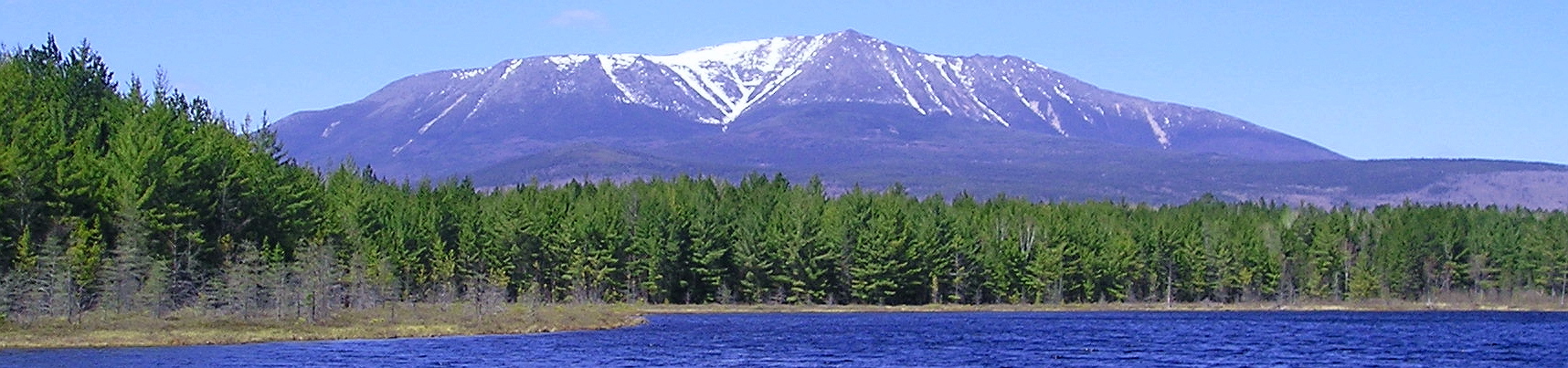
Katahdin, or, as Thoreau had it, Ktaadn

Katahdin, or, as Thoreau had it, Ktaadn

That those woods and their preeminent peak are recognizable to Thoreau’s readers these 170 or so years after his first foray to Maine is my first good story. Yes, the woods have been cut more than once, and land ownership and corporate wobbles (leave aside, for now, climate change) threaten this huge area, but it retains a core that keeps it stable and offers hope. That core is Baxter State Park, a 200,000+ acre gift from former Maine governor Percival Baxter, offered over more than 30, mid-20th-century years and guided by a trust’s charter that, to me, is enlightened and inspired: “The park is to be preserved in its wild state as unspoiled wilderness…” That Park management is carried out by leadership that seems equally inspired is simply good news for anyone who likes a foot-won wild.

Baxter’s long story requires (and has gotten) more than one book’s length. Here’s a facet that lifts me: the huge, mountainous park is there for public recreation – Baxter wanted the people of Maine (and elsewhere) to be able to enjoy these lands. But another value informs our use (and our access), and that is the value of wilderness. The public is invited, but our use must not compromise the wildness of the park. It is “to be preserved in its wild state.” And so, we are limited – in our numbers, in our uses, in short, in our tendencies to overdo. Sure that creates a need for reservations and some gnashing of tourist teeth, (not to mention a thorough gumming by some libertarians), but it also creates a wilderness experience unmatched in our region.
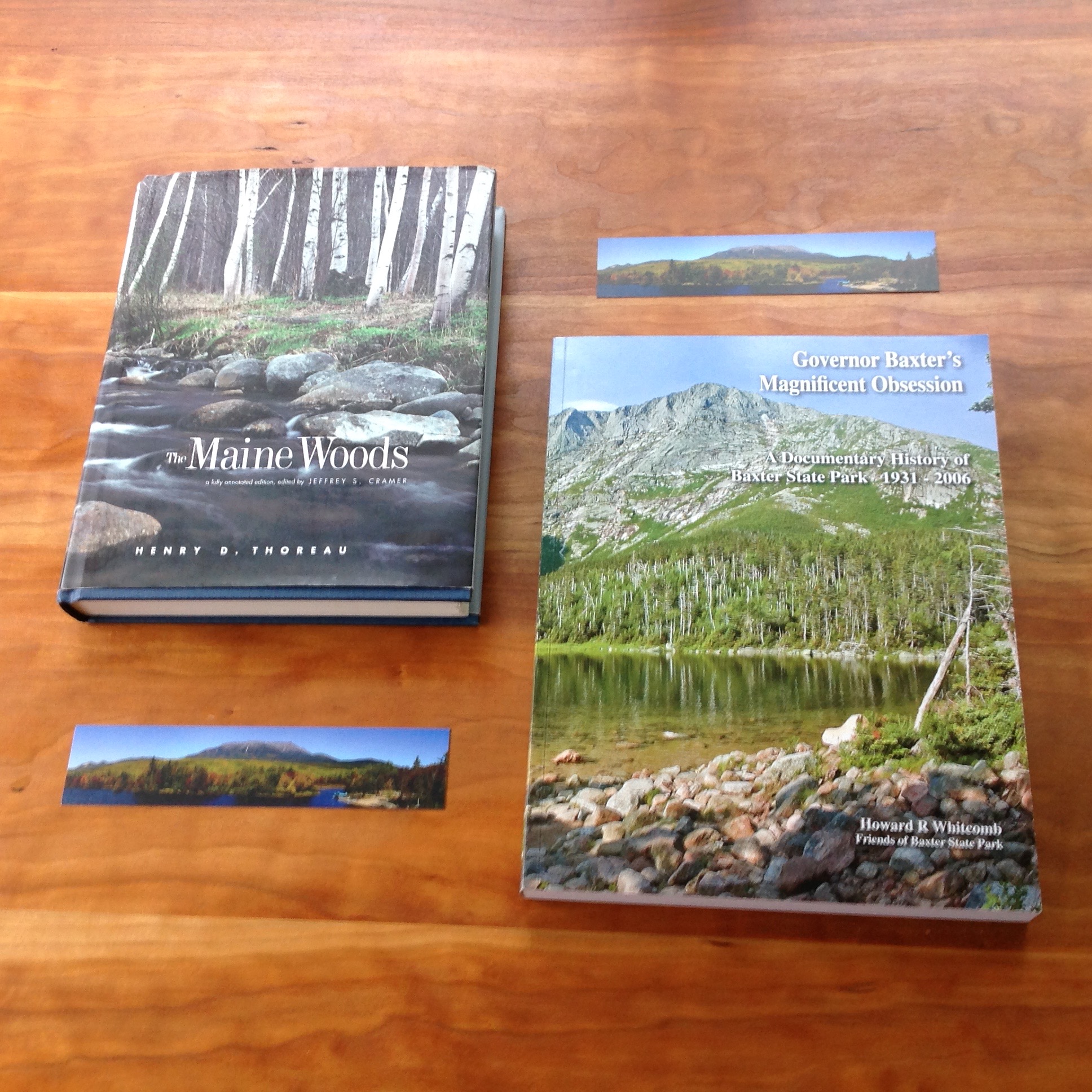
Two word-ways there

Two word-ways there

Already, I stray to the limits of posting, and so I’ll close here, with a promise to return to some of these alpine uplands – the northeast holds a counted eleven – and some of their little stories – animals, plants…ants! – in later posts. Meanwhile here’s to the trust of Percival Baxter, to his current trustees and their staff and friends. And to looking up…and little hopes.

Here are three links for a deeper (or loftier) look:

Baxter State Park: http://www.baxterstateparkauthority.com/

Friends of Baxter State Park: www.friendsofbaxter.org

The Waterman Fund: http://www.watermanfund.org/
In Sympathy and Solidarity

I awaken this morning with the same deep sadness I felt as I went to sleep; I feel as if I have been hollowed out. The murders in Paris, apparently by zealots with automatic weapons, exceed the horizon of my understanding. Trickling into the hollow they have left is numbness that tends toward astonishment. I feel stony now in this aftermath.

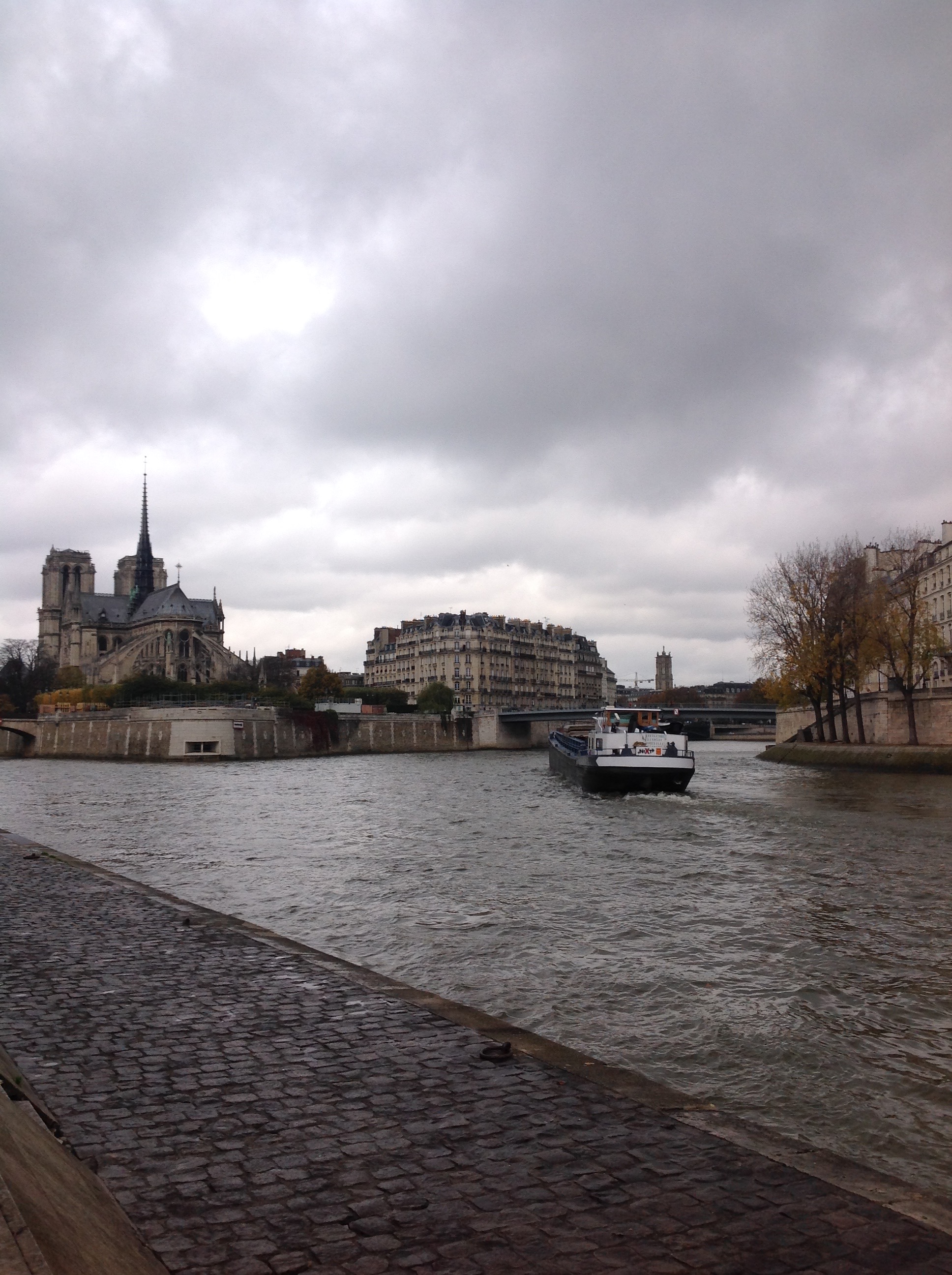
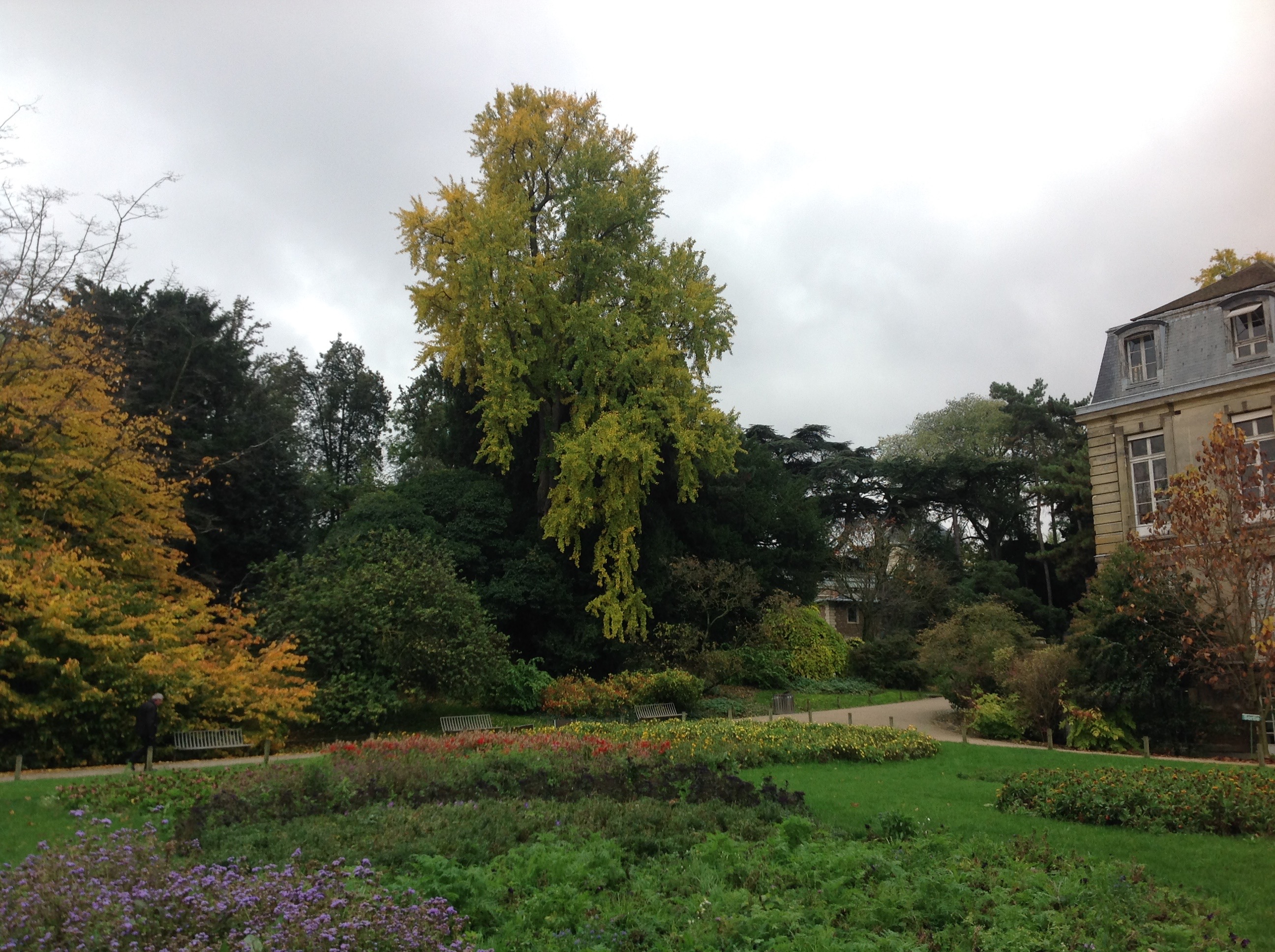
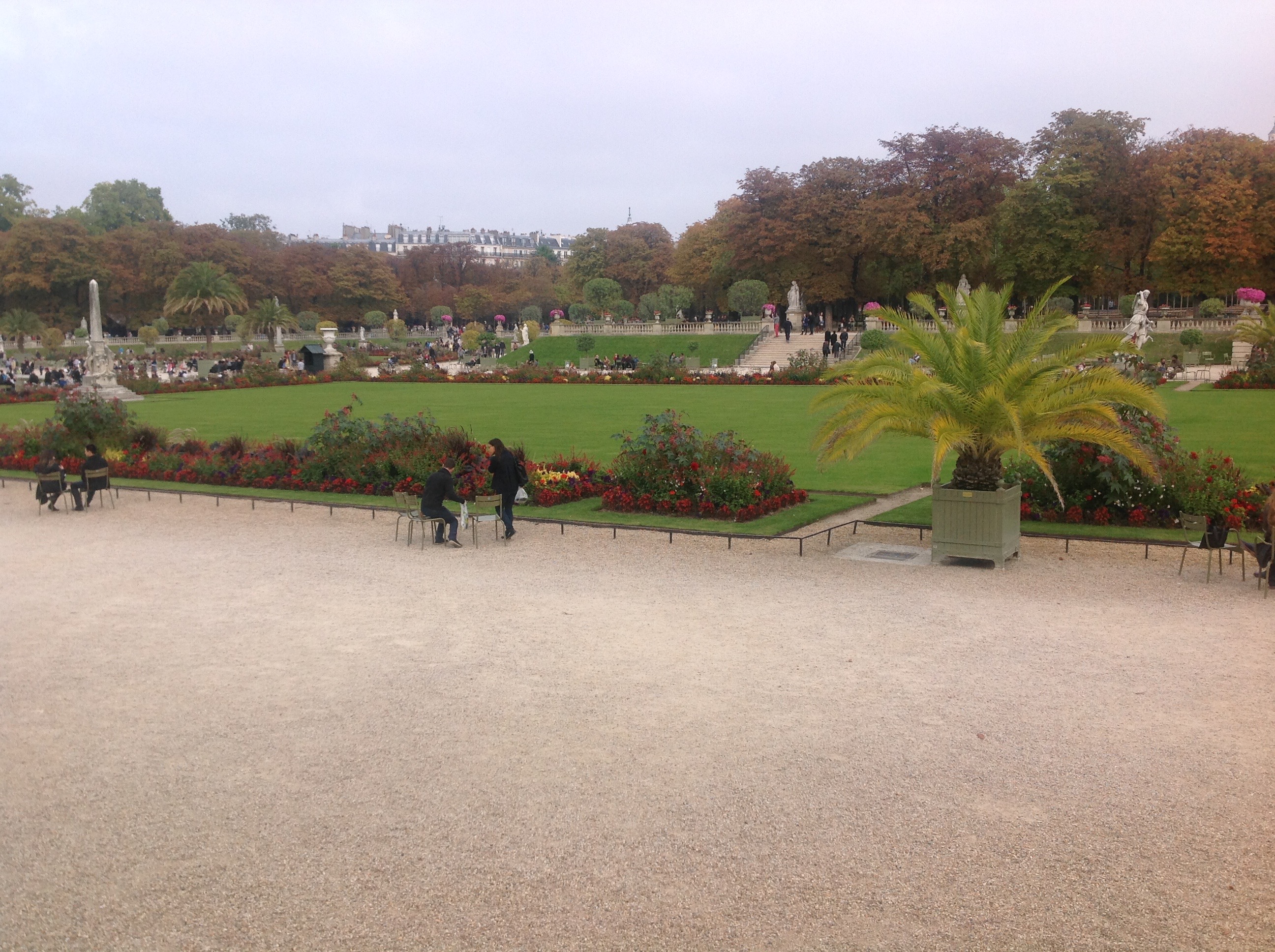
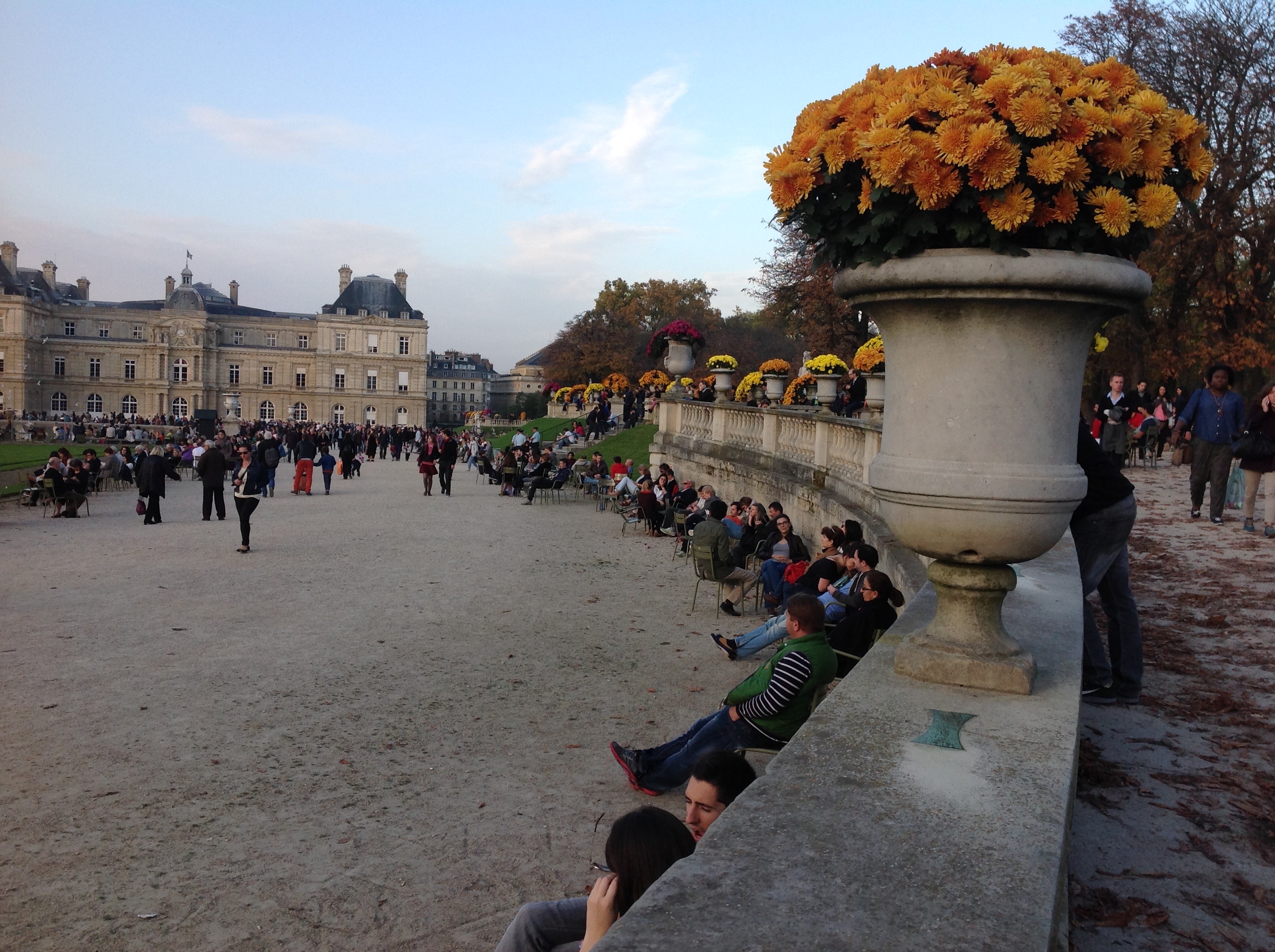
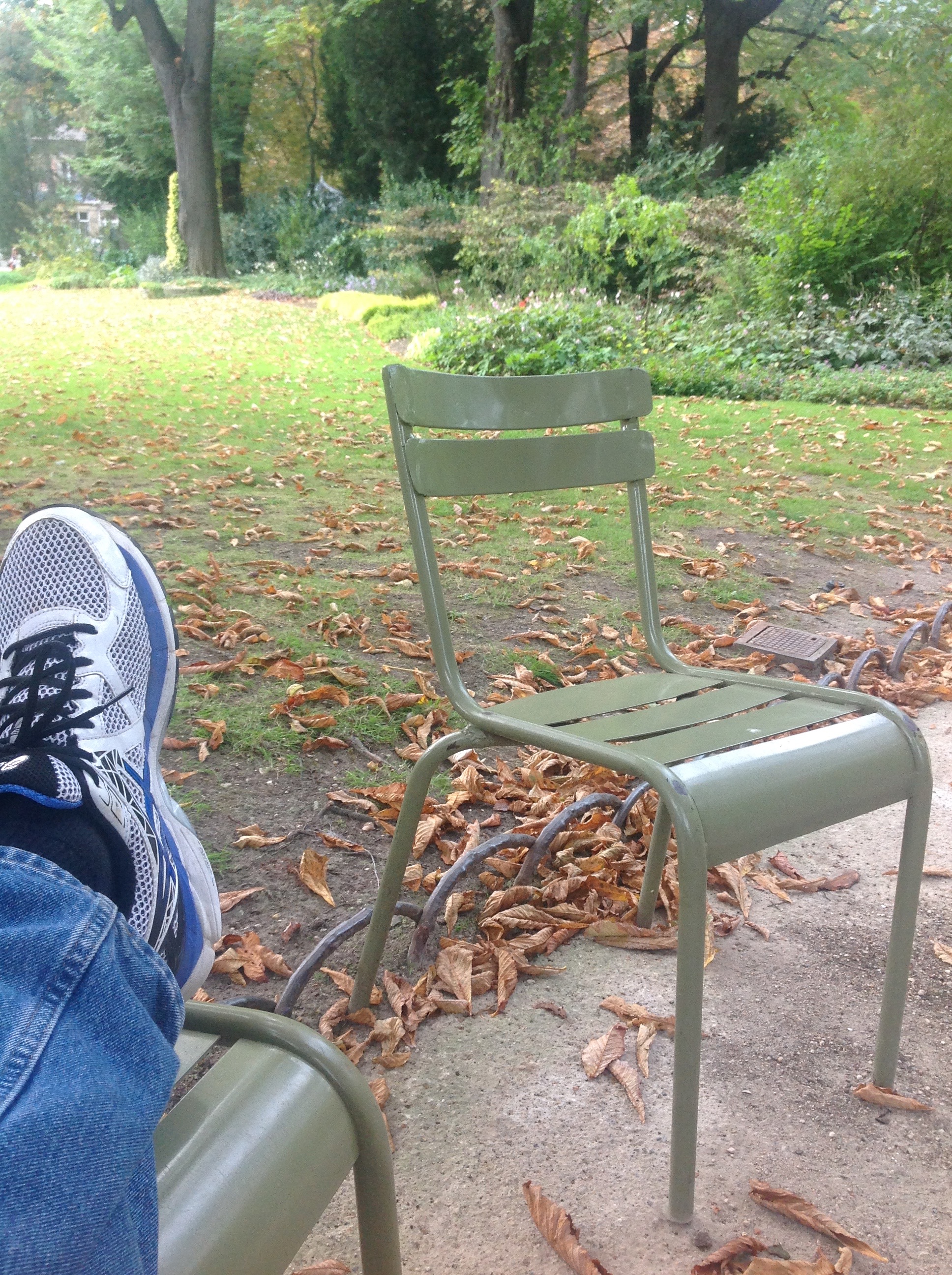
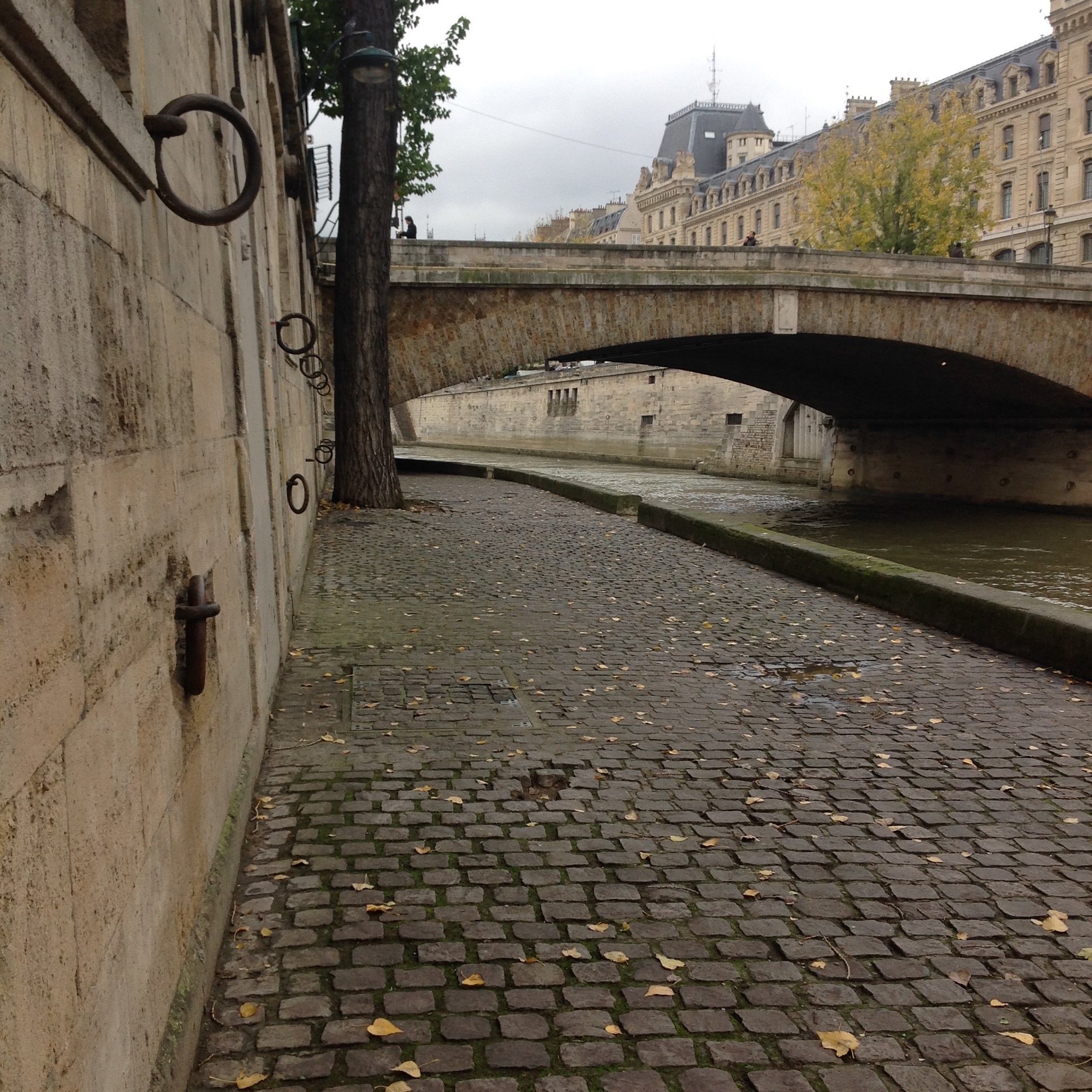
As a reaching across emptiness, I go back to the streets I’ve walked many times, to the garden where I like to sit. I admire the French for their capacity to create space, and light in that space, for their ideal of sharing that space, for their attempts to share that ideal even as they (like me, like we) are flawed. Here then, in sympathy and solidarity, is a short walk and sit, along those streets, in that garden.

Along the river

Along the river

Light alive

Light alive

A love for trees and gardens

A love for trees and gardens

And a love for light, even in stairwells

And a love for light, even in stairwells

Back to the garden

Back to the garden

A capacity for shared space and beauty

A capacity for shared space and beauty

IMG_0809

What Edward Emerson Knew

The following is Lucille Stott’s original letter to the editor, an edited version of which was published in this week’s New Yorker, the 11/9/15 issue. Lucille is a charter board member emerita and former president of The Thoreau Farm Trust.

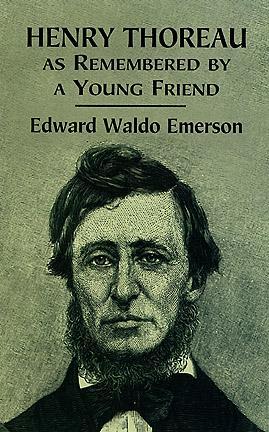
Henry Thoreau as Remembered by a Young Friend


“In attempting to offer a provocative rereading of Henry David Thoreau’s life and work, Kathryn Schulz has instead succumbed to hackneyed stereotypes and common wisdom. A closer, more sensitive reading reveals a complex man deeply connected to family and community; an eccentric, to be sure, but a passionate man of genius, without doubt.

One of the lesser-known realities of Thoreau’s life was his warm relationship with the children of Concord, who gathered around him in his prime and brought him gifts on his deathbed. Edward Emerson, the son of Ralph Waldo, became concerned by the misconceptions that surrounded his friend, the kind that Schulz perpetuates in her unfortunately titled essay. He might have been writing directly to her when, in his 1917 book, Henry Thoreau: As Remembered by a Young Friend, he calls Henry “the best kind of an older brother.”

Emerson says he felt compelled to write about Thoreau “because I was troubled at the want of knowledge and understanding, both in Concord and among his readers at large, not only of his character, but of the events of his life—which he did not tell to everybody–and by the false impressions given by accredited writers who really knew him hardly at all. When I undertook to defend my friend, I saw that I must at once improve my advantage of being acquainted, as a country doctor, with many persons who would never put pen to a line, but knew much about him — humble persons whom the literary men would never find out, like those who helped in the pencil mill, or in a survey, or families whom he came to know well and value in his walking over every square rod of Concord, or one of the brave and humane managers of the Underground Railroad, of which Thoreau was an operative. Also I had the good fortune to meet or correspond with six of the pupils of Thoreau and his brother John, all of whom bore witness to the very remarkable and interesting character of the teachers and their school…. I wish to show that Thoreau, though brusque on occasions, was refined, courteous, kind and humane; that he had a religion and lived up to it.”

Schulz has done us something of a service, I suppose, in demonstrating that the transitory buzz of “gotcha” criticism can never erode the lasting pleasure and value of deep, contextual reading.”

Here’s the link to all 5 of the letters to the editor; Lucille’s letter is the 5th: http://www.newyorker.com/magazine/2015/11/09/the-mail-from-the-november-9-2015-issue