Category Archives: Environment

Spring Walk Back to Walden

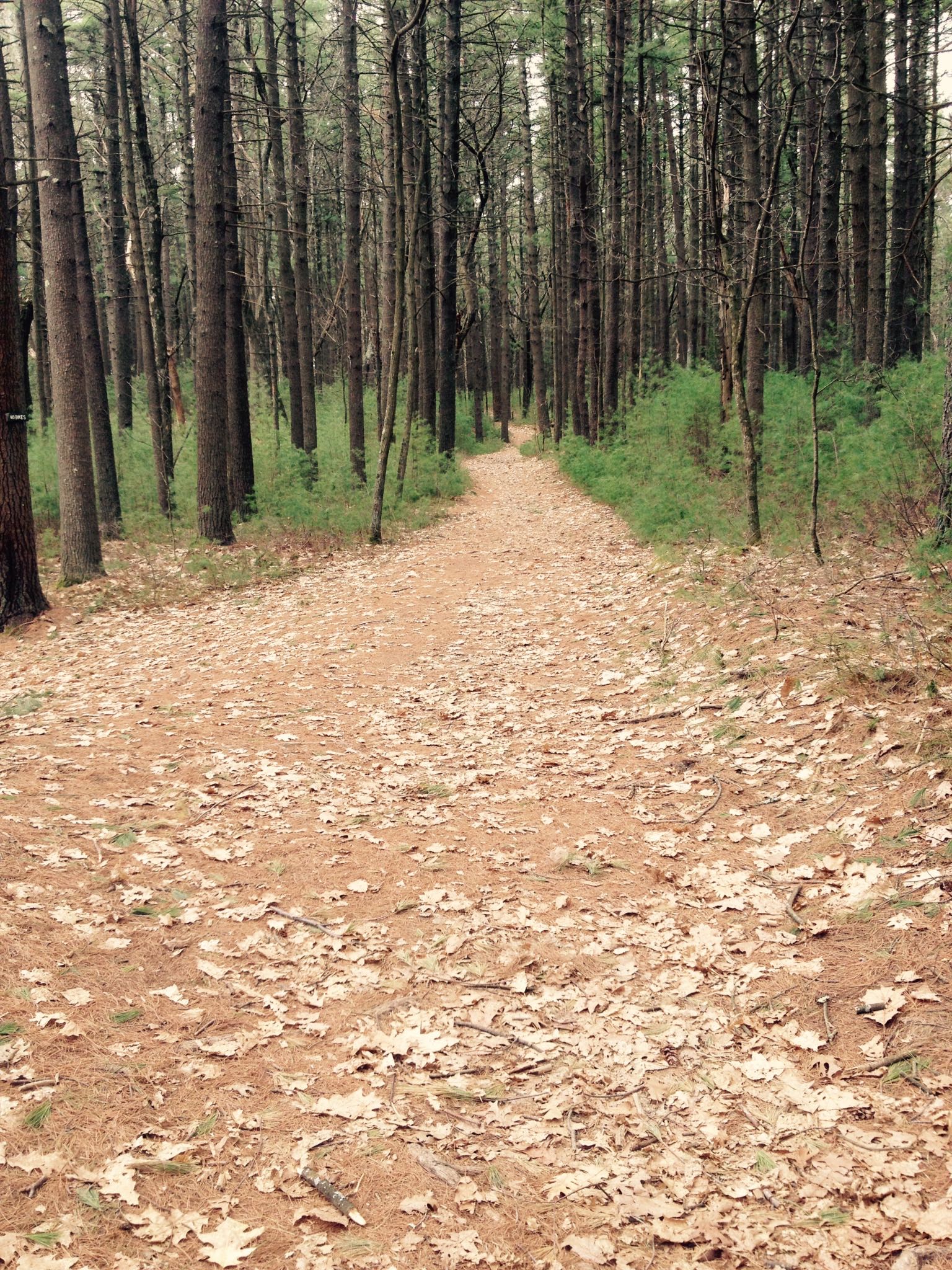
A way through the pines

A way through the pines

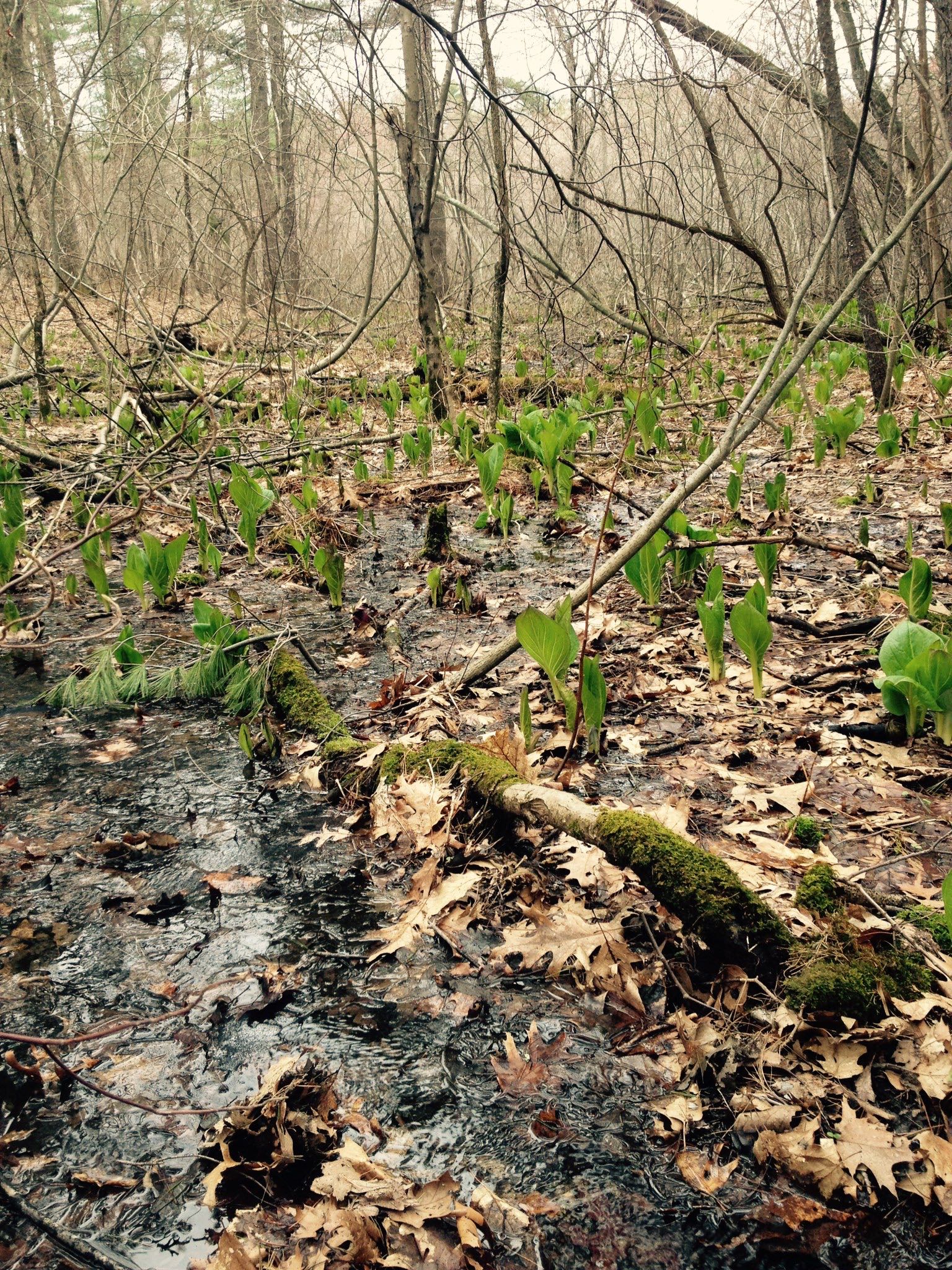
Famously, we’ve been told that you can never go home, but you can walk in your own and others’ footsteps. And so, on this April weekend past, given a few hours for wandering, we set out to do just that. We left from the parking area by Bear Garden Hill and aimed first for Walden by the fine, pine-needle-softened trails that lead into the Wright Woods and on to the pond. Then around the pond, its surface rippled by a cool wind, its fisherfolk seemingly stationed every 50 yards along the thin strand that surrounds it during this low water phase. Then back across the Fitchburg Line’s tracks, and down by the Andromeda Ponds – mostly eutrified now – toward Fairhaven, following the flow of old glacial melt. Skirting Fairhaven, where the spring waters had receded just enough to let us pass, and finally returning along the broad Sudbury, stopping a few times to admire the eruptive skunk cabbage in the small, wet valleys above the river.

Here are some sights from along such a way:

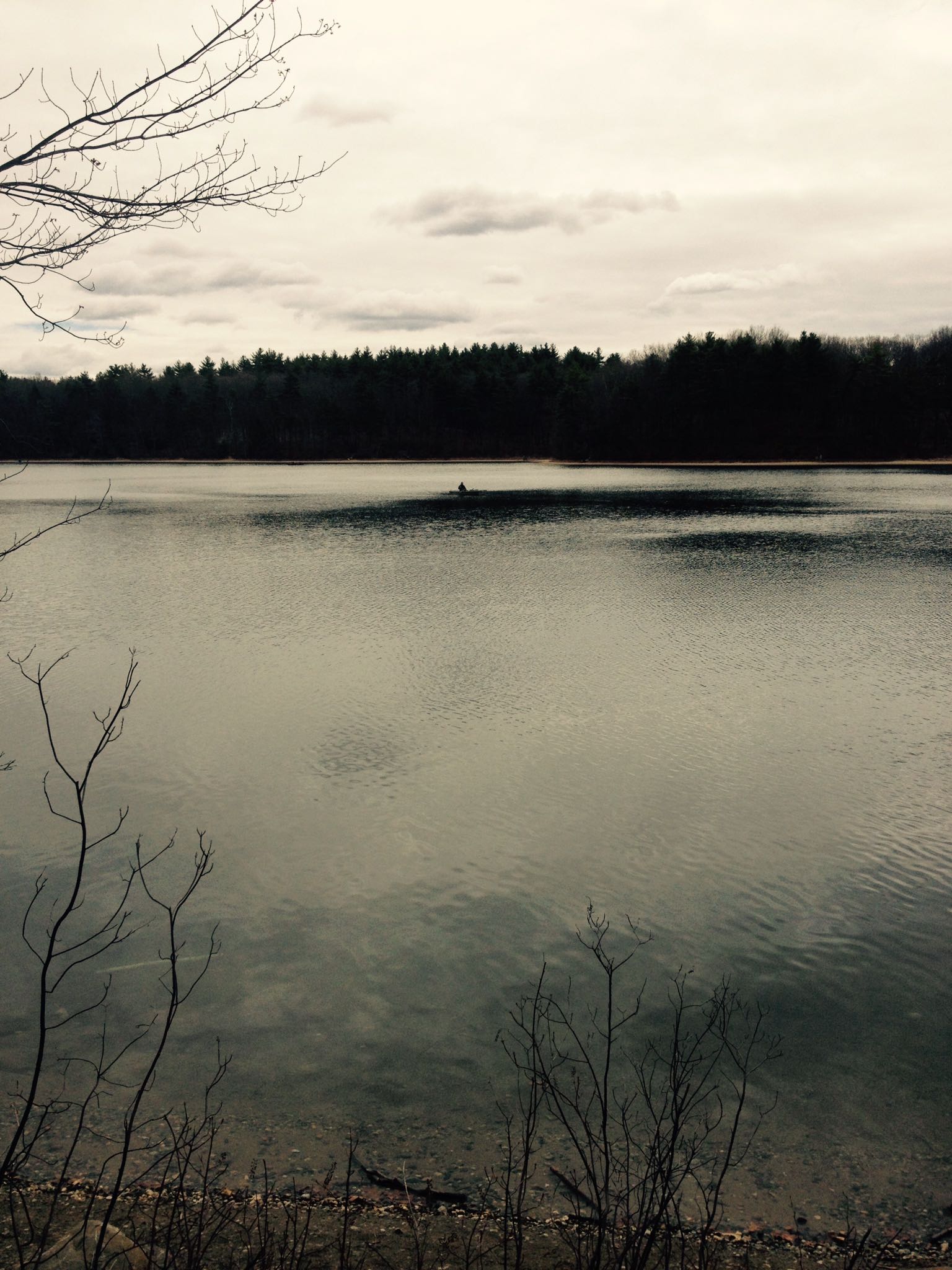
Lone fisher on the water

Lone fisher on the water


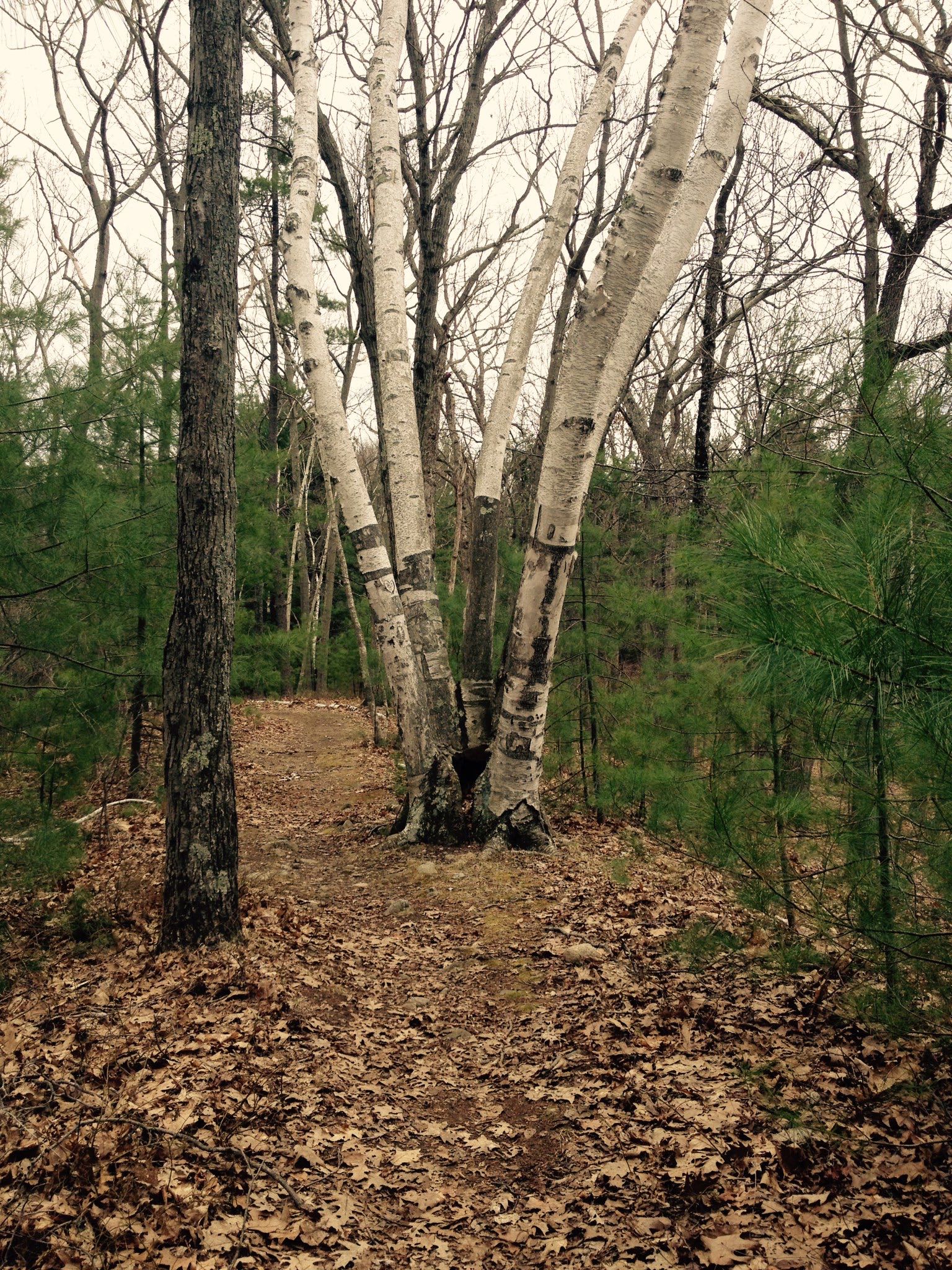
5-stalk birch on Heywood's Peak

5-stalk birch on Heywood’s Peak


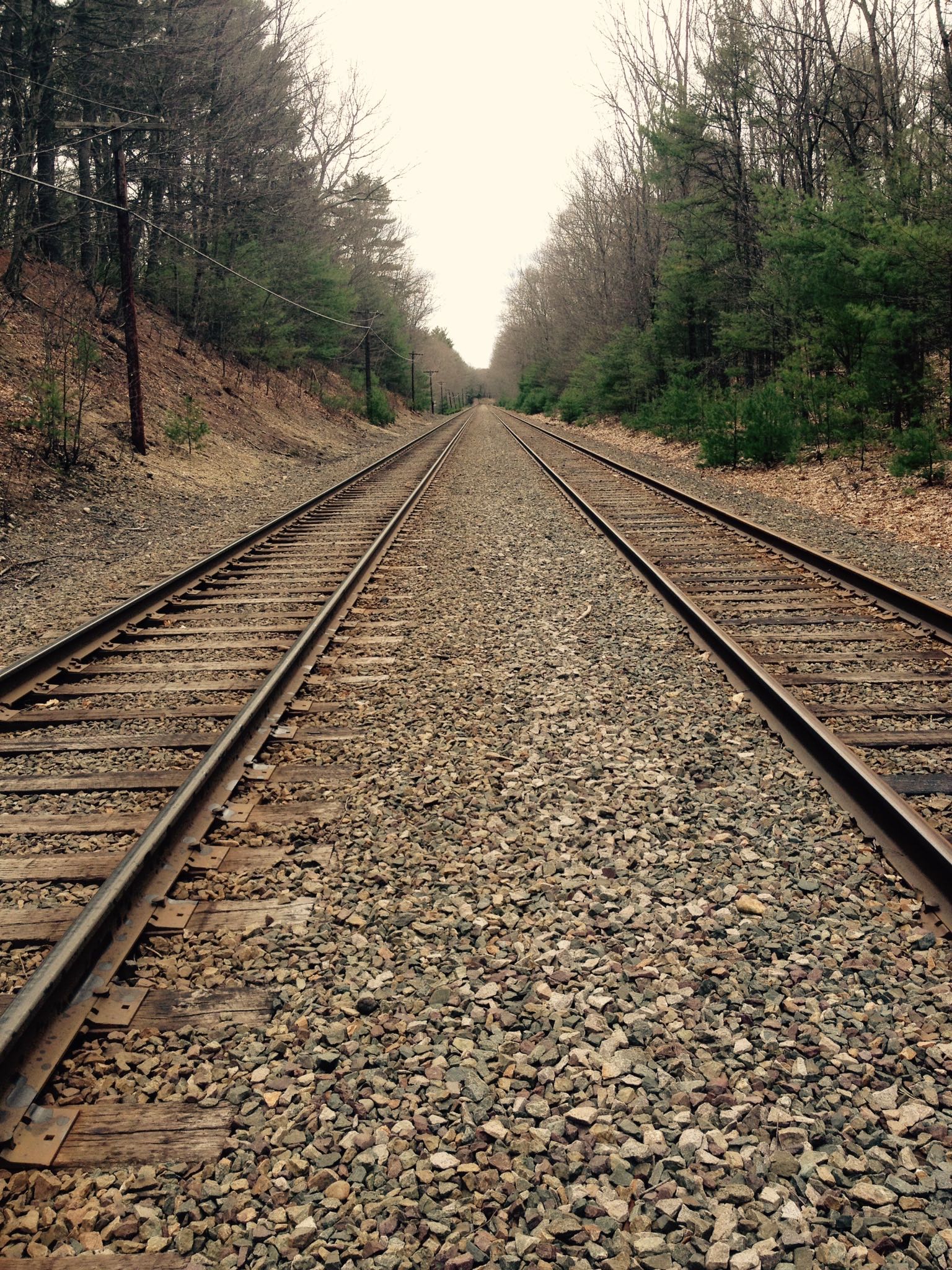
Waiting on the Fitchburg Line

Waiting on the Fitchburg Line


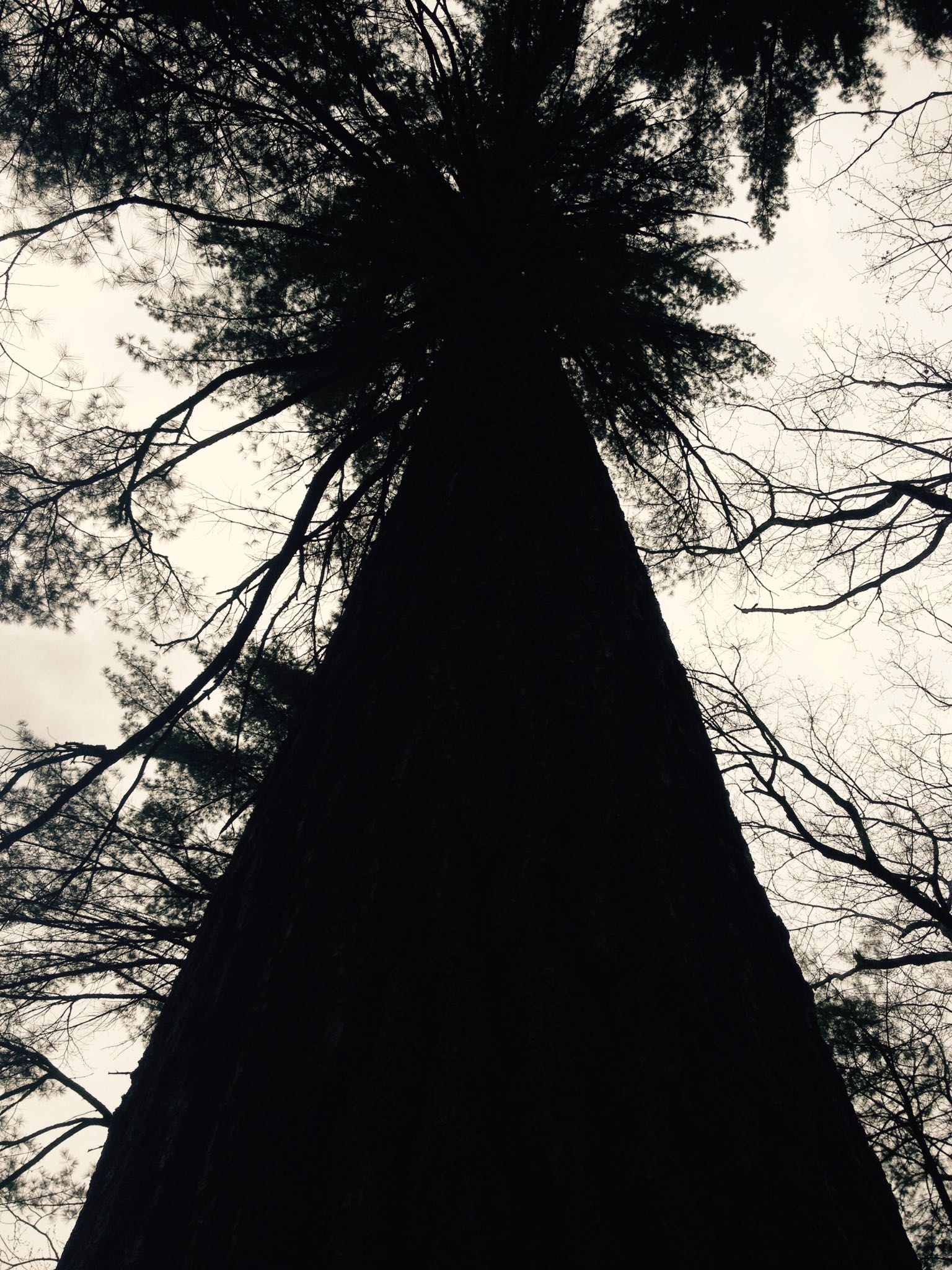
Favored pine on the Fairhaven Trail

Favored pine on the Fairhaven Trail


Maple flowers at Fairhaven

Maple flowers at Fairhaven


Skunk cabbage rill

Skunk cabbage rill


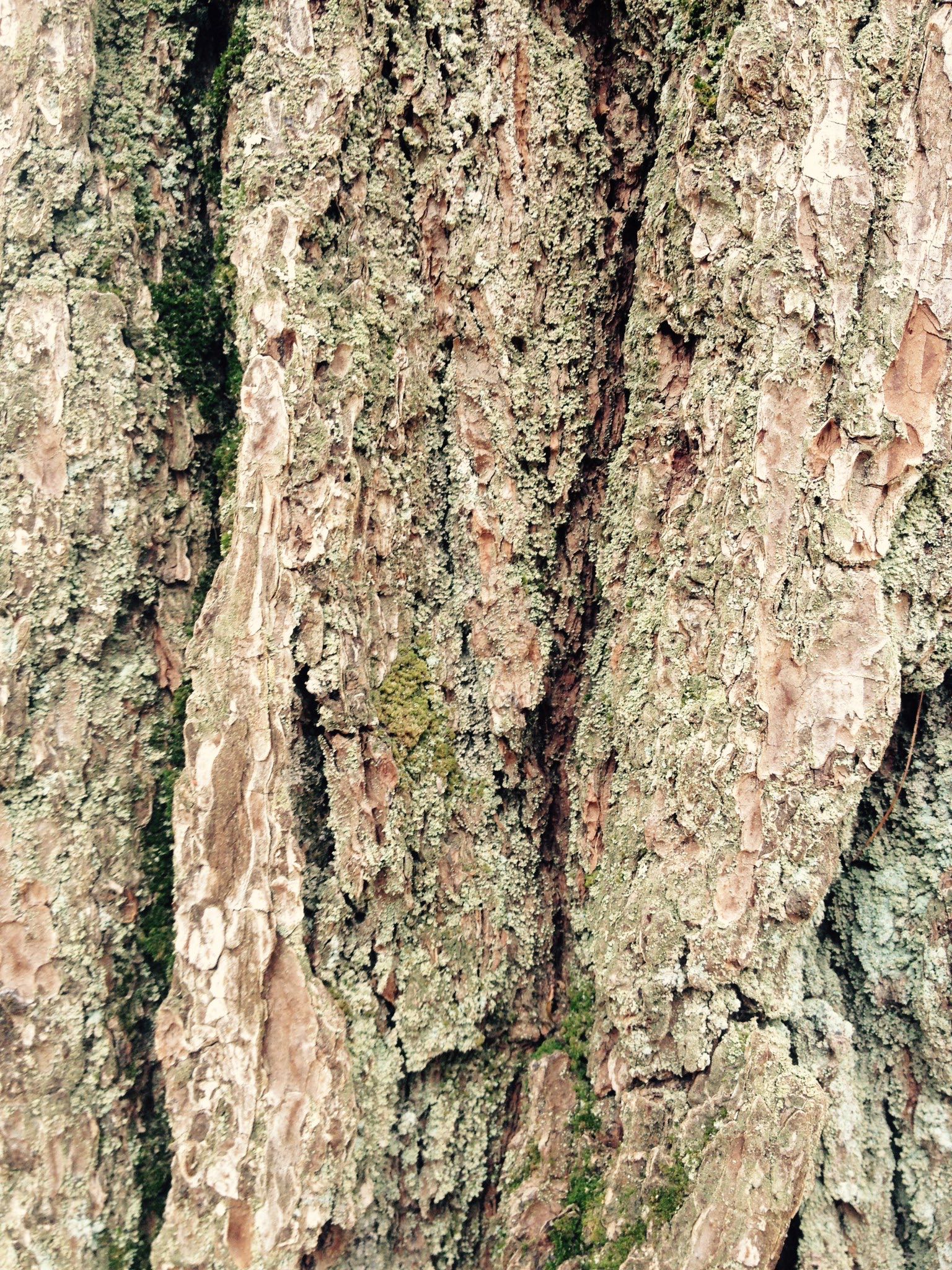
Hands-on bark of favored pine

Hands-on bark of favored pine


Refilling the Feeder – The Cardinal’s Yard

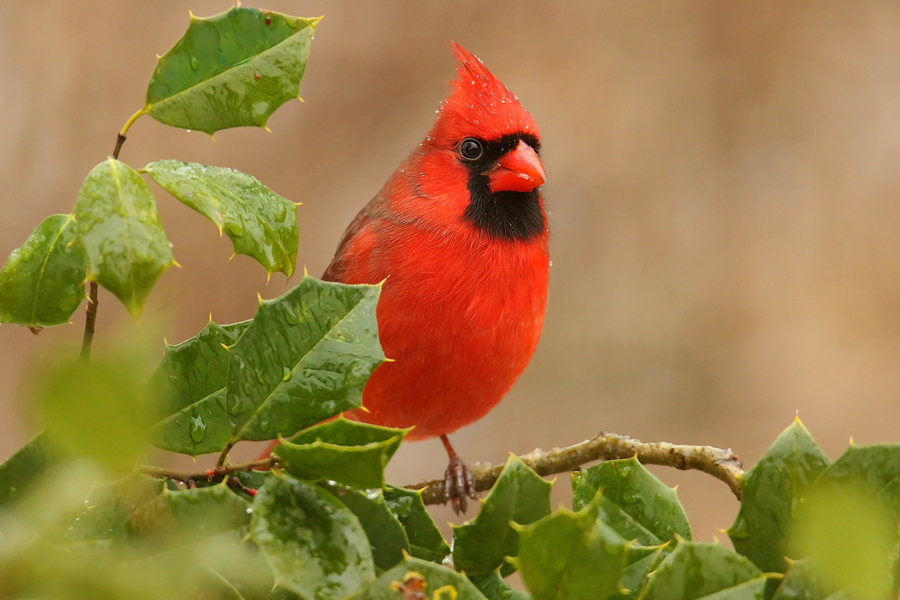
Recently, at the end of a long day, we pulled into our driveway ready to re-up for the slow arrival of Maine’s spring. The dirt-infused snow was still deep on the front yard, and the bushes around the house still slumped beneath the winter’s weight. But there in greeting also was a lozenge of fire, red atop the rhododendron – the cardinal who knows our yard as his territory looked directly at us and offered announcement, sort of a squall of welcome. What, he seemed to say, are you going to do about the feeder out back?
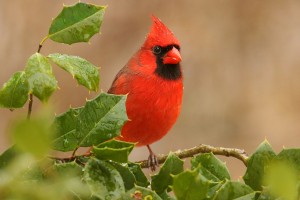
We have a holly, and we have a cardinal, but these are not they. Photo: Bigstock

We have a holly, and we have a cardinal, but these are not they. Photo: Bigstock


So, before unpacking the car, I went to that feeder and shook out the residue of seed husks, then filled it with fresh provender.

This morning brought reward in familiar flurries. Chickadees and nuthatches, including a red-breasted one, flew in and lit to take their accustomed single seeds, which they then carried to a nearby pine. House sparrow arrived and performed his usual task – grabbing and then flinging seeds here and there before settling on one to actually eat.

The sparrow must be the cardinal’s friend because not long after he’d flung seeds this way and that, the cardinal stopped by for the sunflower seeds now on the ground. Ever-alert, he hopped and sorted among the downed seeds until he found one he liked; then he split the husk and downed the seed in a gulp. Then on to the next.

Yesterday, the goldfinches arrived. There, suddenly, they were, looking like yellow thumbs (up).

So too, one of the neighborhood cats, for whom I am a backyard Maori – unaccustomed to being chased, cats run from the expletive-spewing, hand-waving emergence from our backdoor; then at the fringe of the woods, they always look back in further disbelief, before vanishing.

I’d welcome some not-too-antisocial advice about discouraging cat-visits. I’m loathe to go to the warning sting of a b-b or pellet gun, but, clearly, I’ve considered it. Perhaps coyote urine, easily purchased these days? Perhaps you have a favorite solution? Perhaps I will post our little stamp of land, alert our neighbors, and then have at whatever slinking cats appear.

Or, perhaps, I can entice our local rooster to hang out more in our yard; the cats seem wary of him (as am I).

We’re a little too suburban to need to heed the advice to take down our feeders in April as guard against bear-visits – no bears live in and wander our local woods, even as I see sometimes a fox step from them and the wild percussion of our pileated woodpeckers sets my toe tapping.

And so, until summer starts offering its menu, I’ll keep heeding the cardinal and filling the feeder. Surely, I get more back than I give.

Spring’s Songs – Jonathan Franzen and Henry Thoreau and Birds

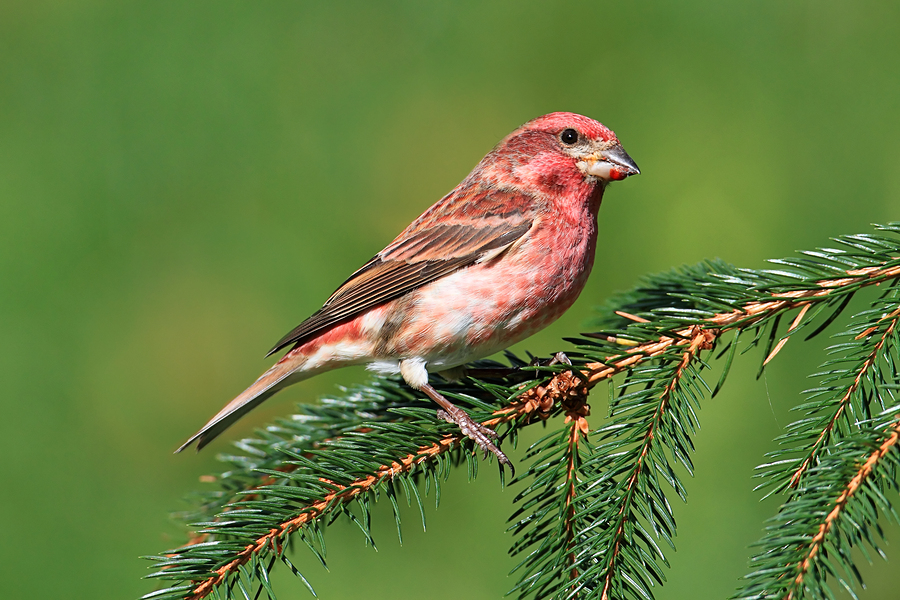
A purple finch showed up in our yard yesterday, just hours ahead of the last (I hope) snowfall. And my daily footwork was again suffused with bluebird song. These birds then triggered a rereading of an essay that had caught my eye but then slipped into the welter of partially-read pieces.

Purple Finch (carpodacus Purpureus)

You, if a reader of this blog, have grown used to our stepping onto the springboard of Thoreau’s journal writings; from there, we often dive into something daily, some moment of the local world. Today we climb a little higher, then drop a little farther from the platform of Jonathan Franzen’s recent essay, Carbon Capture, ( http://www.newyorker.com/magazine/2015/04/06/carbon-capture)  in the April 6th New Yorker. From (and in) it, we consider the vast challenge of climate change and the sliver of effect we call personal response. Franzen’s piece, the best response to this calamity that I’ve read, brings us back to Henry Thoreau – not by specific mention, but by its suggestion that local attention and conserving work can be redemptive, can be a daily way forward in a difficult time.

In struggling to come to personal terms with climate change and its vast pronouncement, Franzen writes of birds, of local study and care that echoes Thoreau’s understanding that, when it came to universal concerns and understanding, he had “traveled a good deal in Concord.” Franzen’s central thought is direct: climate change is real and unstoppable; its scale so dwarfs a person’s efforts as to negate them, and so, even as large environmental organizations and figures recommend combating it, focus on climate change draws a person away from work where she or he can have effect, can live a life – working for conservation of habitat for birds and other animals, for example.

As he considers himself and us, Franzen identifies two central strains of thought that divide us: the Puritan, guilty-as-charged school and the positive, life-affirming Franciscan school. In shifting his focus from guilt-inducing efforts to have personal effect on climate change to life-affirming work for bird habitats, Franzen chooses life and whatever measure of joy it may contain. His implied question is a simple one: do you want to live a guilt-ridden, powerless life or a commitment-suffused one?

Franzen is not naive. He knows that climate change will alter habitats, will affect every thing. But he points out that global scale trouble and guilt finally overwhelm and paralyze. If, every time you have an effect – which is of course, every minute – you feel guilty about it, you step finally away from such wearying awareness. If instead, you feel you are working at least some of the time for some small sector of life, local habitat, for example, you can be buoyed by small victories, lifted by your embrace of the local.

Thoreau, of course, knew the lure and redemption of the local. His journal is a record of engagement and, yes, love, of where he walked and what he found.

Journal, April 9th, 1856: 7 A.M. – To Trillium Woods…The air is full of birds, and as I go down the causeway, I distinguish the seringo note. You have only to come forth each morning to be surely advertised of each newcomer into these broad meadows. Many a larger animal might be concealed, but a cunning ear detects the arrival of each new species of bird. These birds give evidence that they prefer the fields of New England to all other climes, deserting for them the warm and fertile south. Here is their paradise. It is here they express the most happiness by song and action.

I have taken a nuanced, developed essay and simplified it (without too much damage, I hope). It is worth reading in its fullness. Just as the birds singing in today’s new snow remind that today is there to live in its fullness.