
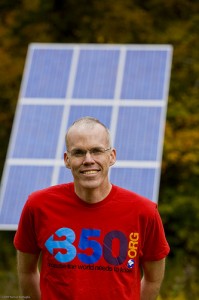
 An interview with the 350.org founder, Keystone resister, Occupy supporter, Jesus follower (and, yes, Thoreau scholar)
“Above all, we cannot afford not to live in the present…. Unless our philosophy hears the cock crow in every barn-yard within our horizon, it is belated…. There is something suggested by it that is a newer testament — the gospel according to this moment.”
-Henry David Thoreau, “Walking”
“My only real fear is that the reality described in this book, and increasingly evident in the world around us, will be for some an excuse to give up. We need just the opposite — increased engagement. Some of that engagement will be local: building the kind of communities and economies that can withstand what’s coming. And some of it must be global: we must step up the fight to keep climate change from getting even more powerfully out of control, and to try to protect those people most at risk, who are almost always those who have done the least to cause the problem.”
-Bill McKibben, Eaarth: Making a Life on a Tough New Planet (2010)
“With countless lives on the line, this is what love looks like, and it will only grow.”
-Climate activist Tim DeChristopher, after his sentencing in federal court in Salt Lake City, July 26, 2011
