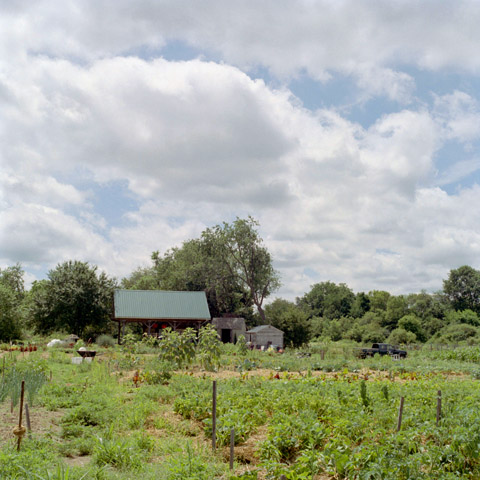
 Part One of our exchange on Thoreau, wildness, climate, and “conservation in the Anthropocene”
The first time I met John Hanson Mitchell, the prolific author and longtime editor of Mass Audubon’s Sanctuary magazine, it was in September 2010 over lunch in Lincoln, Mass., not far from his office at Drumlin Farm. Engaging and generous with his time, he listened gamely as I talked about some crazy idea I had for an essay about walking to Walden Pond from my house in Wayland, just down the road from Concord and Lincoln. I’d sought him out because, as several people told me, if I wanted to write about Thoreau and the contemporary landscape around these parts, I needed to talk with John Mitchell — and read his books, like Living at the End of Time (1990), his fine memoir about building and living in a cabin at the edge of the woods behind his house in Littleton, just up the road from Concord; and Walking Towards Walden (1995), in which he and friends traipse cross-country, in one long day, from Littleton to Concord.
Nobody knows better than John Mitchell that “the wild” is just outside our doors, if we care to look. His highly regarded first book, Ceremonial Time: Fifteen Thousand Years on One Square Mile, published in 1984, is a thought-provoking extended essay on the natural and human history of his semi-rural neighborhood, known traditionally as Scratch Flat. Near the outset, he notes that many people doubted him when first told that, among the surrounding landscape’s abundant wildlife, they could find great horned owls living in the white pines a short walk from their backyards. This leads him to reflect: Continue reading